Why Do Discontinued Watches Get a Scarcity Premium?
Discontinuation of any product tends to stir interest, but in the world of luxury watches, especially brands like Rolex, it triggers a phenomenon that collectors and investors alike find fascinating: the scarcity premium. If you've ever wondered why discontinued Rolex models often carry a higher secondary market value compared to their original Manufacturer's Suggested Retail Price (MSRP), you're not alone. This post digs into the nuances behind why scarcity from discontinuation fuels increased desirability, how collector demand cycles intensify this effect, and the role of real transaction data in tracking these trends.
Understanding Scarcity Premium Watches
The scarcity premium refers to the additional value a watch commands on the secondary market primarily because it’s no longer available through primary retail channels. Scarcity here isn't just about a small production run; it’s about supply drying up entirely once a model is discontinued, leaving buyers competing for the remaining pieces. This dynamic creates a natural point of tension that elevates prices, sometimes significantly above retail.
Replacement Value vs. Resale Value
It’s important to distinguish replacement value from resale value. Replacement value typically reflects what one might pay a retailer or authorized dealer (MSRP), while resale value refers to what buyers actually pay on the secondary market—often captured through transaction comps such as auction results or dealer sales.
For discontinued watches, resale value frequently exceeds replacement value, as the retail option no longer exists. This is especially notable for Rolex, where demand consistently outpaces supply and authorized retailers cannot replenish discontinued models.
Why Discontinued Rolex Models Command a Premium
Rolex is the quintessential brand when discussing scarcity premiums due to its controlled supply strategy and intensive collector demand. When a model is discontinued, collectors and enthusiasts rush to acquire the pieces available on the secondary market. The supply-constrained environment and increased urgency fuel bidding wars or premium price tags, inflating resale values.
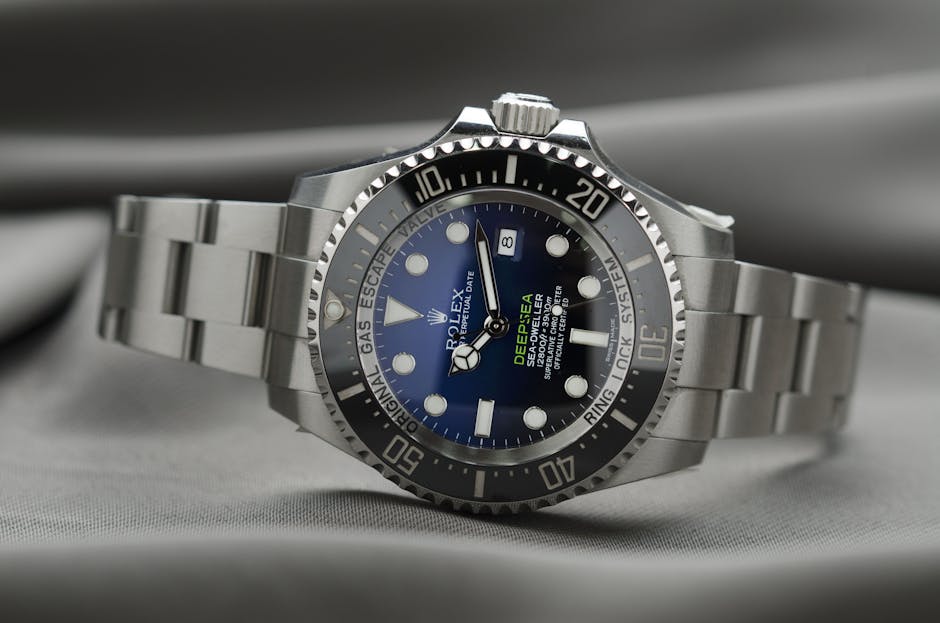
Consider a few points that influence this dynamic:
- Rolex’s manufacture and supply control: Rolex is renowned for deliberately controlling output to maintain desirability and brand cachet.
- Durability of resale value: Discontinued Rolex watches rarely depreciate sharply because they have a strong collector base and iconic status.
- Collector at heart: Many buyers are passionate watch enthusiasts or speculators who find discontinued models more meaningful or valuable over time.
Collector Demand Rolex Cycles
Collector enthusiasm doesn’t spike randomly. Market Realist marketrealist.com highlights that collector demand cycles through phases partly triggered by discontinuation. Initially, demand spikes as anticipation builds, followed by a period of sustained high pricing due to limited availability. Over longer terms, some rare models gain legendary status, pushing prices even higher.
This cycle helps explain why some discontinued models see immediate appreciation while others take years to realize their scarcity premium. Monitoring auction results and dealer sales offers insight into these waves of interest and shifting valuation.

Secondary Market vs MSRP – A Case Illustration
Though no explicit prices were provided in recently scraped content, tracking auction results and dealer sales illustrates typical disparities.
Watch Model Rolex MSRP (Retail) Typical Secondary Market Price (Post-Discontinuation) Notes Rolex Daytona "Rainbow" (Discontinued) Market Realist (est. MSRP, varies by configuration) Significantly higher – often 2-3x MSRP Scarcity premium driven by discontinuation and hype. Rolex Submariner no-date (Older variants) Standard MSRP around $8,000-$9,000 Price can rise to $15,000+ on secondary market Collectors prize vintage appeal and discontinued references.
These examples reinforce that discontinued Rolex value on the secondary market often exceeds MSRP by a margin that varies by model, condition, and collector interest at the time.
Tools for Measuring Scarcity Premiums
To gauge the scarcity premium accurately, analysts and buyers rely on real-time pricing data: auction results and dealer sales are fundamental for transparency and informed decisions.
- Auction Results: Houses like Sotheby’s or Phillips publish results that show what actual buyers are paying. These records provide unbiased transaction comps that reflect true market demand.
- Dealer Sales: Trusted secondhand dealers such as Diamond Banc offer current pricing data from private sales and retail inventory, helping form a real-world snapshot of price trends.
By comparing these data sources to MSRP figures, one can see clear evidence of the scarcity premium. It also helps weed out inflated asking prices by dealers who might stretch their claims without verifiable sales.
Quick Reality Check: What Did It Actually Sell for Last Week?
This question is a mental tool I use constantly. Irrespective of flashy marketing or social media buzz, the truest indicator of a scarcity premium is the last actual transaction price. Look it up on auction databases or reputable dealer platforms before making buying or selling choices.
Summary: Why Scarcity Premium Watches Matter
- Discontinued watches, especially from Rolex, benefit from scarcity that drives secondary market prices above MSRP.
- The scarcity premium is rooted in limited supply, strong collector demand cycles, and brand prestige.
- Replacement value (MSRP) and resale value diverge significantly once a watch is discontinued.
- Transaction comps from auction results and dealer sales provide the best evidence of real-world pricing.
- Understanding these market forces enables smarter buying, selling, and insurance evaluations.
In conclusion, the scarcity premium is not a simple hype factor—it's a market reality grounded in supply-demand economics and collector psychology. Keeping track of verifiable pricing through trusted channels like Diamond Banc, auction platforms, and analytical sources such as Market Realist ensures any watch enthusiast or investor navigates this landscape with clarity and confidence.