What Is Variable Ratio Reinforcement and Why Is It So Addictive?
In behavioral finance and psychology, one term comes up repeatedly when discussing addictive behaviors linked to trading, gambling, and even social media: variable ratio reinforcement. It’s the same mechanism that keeps slot machine players pulling the lever and traders clicking “buy” on weekly options. But what exactly is this https://technivorz.com/are-short-dated-options-ever-investing-or-always-gambling/ variable ratio reinforcement? Why does it trigger such compulsive engagement? And how does it tie into the real math behind investing — expected value — which is too often left out of the conversation?
Defining Variable Ratio Reinforcement
Variable ratio reinforcement is a behavioral concept originating from operant conditioning. The idea is simple yet powerful: a reward is given after an unpredictable number of responses. Sometimes it comes quickly; sometimes it takes a while. The unpredictability is the hook.
This schedule of reinforcement produces the highest rate of response. Why? Because the subject never knows when the next reward will arrive, so they keep engaging in hopes the next try will pay off. This pattern is famously what keeps gamblers glued to slot machines — a marriage of psychology and mathematics known as slot machine psychology.
How Variable Ratio Reinforcement Works in Slot Machines
- Each pull of the lever is a 'response.'
- The 'reward' is a payout, delivered after a random number of pulls.
- The ratio is 'variable' because payouts are irregular — sometimes one pull pays off, sometimes it takes dozens.
Players are conditioned to persist because they can’t predict when their "big win" will happen. The mechanic leverages human behavioral quirks — we overestimate the likelihood of rare events and undervalue slow probabilistic loss.
Variable Ratio Reinforcement in Modern Trading Apps
The addictive lure extends beyond casinos. Many brokerage apps now offer weekly options trading, creating a similar behavioral trap. Traders repeatedly buy cheap, short-duration contracts hoping to hit "big wins." The structure uses the same psychological triggers:
- Randomized payoff timing: Some weeks result in a double or triple return, others end worthless.
- Fast feedback loop: Weekly expirations mean rapid results — encouraging frequent trades.
- App gamification: Confetti, progress bars, and instant transaction confirmations mimic slot visuals and sounds.
This dynamic operates on variable ratio reinforcement by rewarding trades unpredictably over short intervals to induce repeated action.
The Dark Side: Options Mechanics That Make It Worse
Weekly options come with hidden mechanics that quietly chip away at traders’ accounts — costs rarely shouted from the rooftops.
- Theta decay: Time works against option holders. Every day, the value of an option declines if everything else stays equal. This "time decay" acts like a persistent tax.
- Assignment risk: Traders risk being assigned on short positions unexpectedly, resulting in forced stock transactions that may not fit their strategy.
- Spreads and commissions: Bid-ask spreads and per-trade commissions, though often small individually, add up quickly with frequent trading. These are clear costs but often hidden behind flashy app interfaces.
Combined, these factors create a negative expected value (EV) game for most weekly option traders.
Expected Value: The Real Dividing Line
Let me be clear: risk without expected value is just gambling cloaked in finance jargon. The sign in front of the number matters. Expected value is the average outcome you can anticipate from a repeated action considering all gains and losses weighted by their probabilities.
In broad equity ownership, the expected value is generally positive over the long run. Markets tend to grow, dividends are paid, and inflation pushes nominal values upward. This is why long-term stock index investing historically beats inflation and most active strategies.

Contrast that with casino games — and yes, that includes a lot of options trading setups, especially short-term ones. These have a negative expected value baked in. The positive expected value house edge in a casino and the cost structure in an options spread both ensure the average player or trader loses over the long run.
Transparency Matters
Casinos display the payout ratios (Return to Player or RTP) publicly. Even if they bury the math in fine print, savvy players can find the RTP for their game and know the house edge upfront.
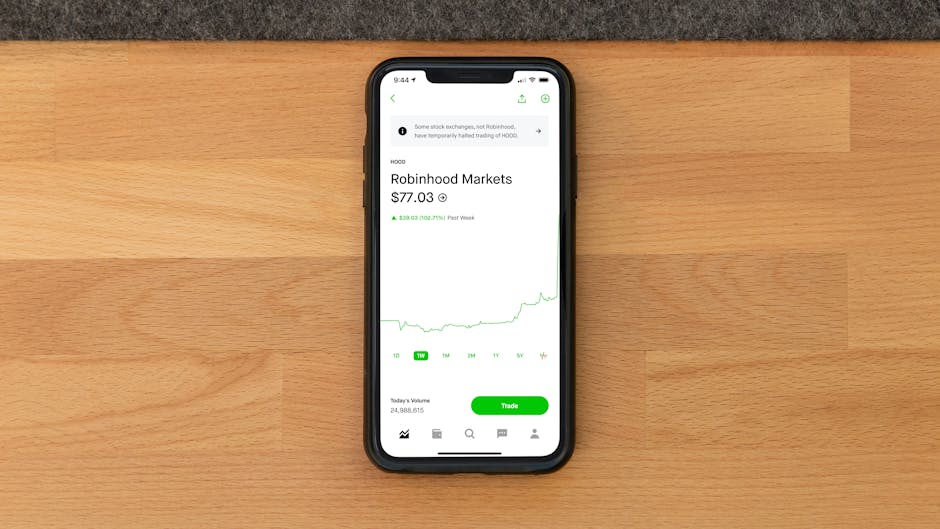
Brokerage apps that let you trade weekly options rarely publish the effective "RTP" of trading those contracts — in part because there is none, or it’s negative after commissions and decay. Instead, app games celebrate victories, hide cumulative losses, and obscure the true costs in a cloud of excitement.
Time Horizon and the Law of Large Numbers
The addiction is fed by the illusion that a single "big win" can erase past losses. But the law of large numbers is ruthless: negative expected value means that over many trades, the average result converges to a loss.
Variable ratio reinforcement provides the short-term dopamine spikes that keep users hooked despite a losing ledger in the big picture.
Professional investors understand this. They focus on the long-term horizon, positive expected value positions, diversified portfolios, and minimizing hidden costs. Casual traders chasing weekly options often don’t.
Summary Table: Comparing Gambling, Weekly Options, and Broad Equity Investing
Feature Casino Slot Machines Weekly Options Trading Broad Equity Ownership Reinforcement Schedule Variable Ratio (Random Payout) Variable Ratio (Unpredictable Options Wins) Consistent (Market Growth + Dividends) Expected Value (EV) Negative (House Edge) Negative (Theta Decay + Costs) Positive (Long-Term Market Appreciation) Transparency of Costs Published RTP vs House Edge Hidden Costs (Spreads, Theta, Assignment) Transparent (Fees and Dividends Clearly Reported) Typical User Behavior Compulsive, Short-Term Play Repeated Short-Term Trades (Sometimes Compulsive) Long-Term Holding, Strategic Time Horizon Very Short Very Short (Weekly Expirations) Long-Term (Years to Decades)Final Thoughts: Cut Through the Noise
The allure of variable ratio reinforcement is undeniable. It taps primal behavioral finance triggers and leverages slot machine psychology to hold your attention for as long as possible. But remember this: the addictive "vibes" only matter so much; it’s the sign in front of the expected value number that defines your long-term outcome.
Next time you see a flashy app encouraging rapid weekly options trades with confetti and instant gratification, ask yourself:
- What is the expected value of this trade after accounting for theta decay, spreads, commissions, and assignment risk?
- Is this a variable ratio reinforcement trap designed to keep me hooked on repeated losing trades?
- Am I acting with a clear understanding of transparency and long-term horizon?
Cut through the psychological noise and treat your trading capital like real money — because it is.