I Inherited a Rolex—Should I Sell It or Get It Evaluated First?
Inheriting a Rolex can bring up two questions at once: What is it worth, and what should I do with it? Even if you already know you want to sell, resist the urge to accept the first offer or clean up the watch before anyone has examined it. A Rolex evaluation can help establish what you have, whether it is authentic, what condition it is in, and how its current market compares with your personal reasons for keeping or selling it.
There is no universal answer to the sell vs hold inherited watch question. The right choice depends on the specific reference, condition, completeness, current demand, and your own priorities. The market also changes. Rolex resale prices have been recovering in 2026 after a steep post-2022 correction, but that does not mean every Rolex has rebounded by the same amount—or that an asking price is the same as a sale price.
A sensible first step is to get an informed assessment before making a decision. Evaluation does not commit you to selling. It gives you a better basis for deciding whether to keep the watch, sell it, or take more time.
First, don’t alter the watch
Until the watch has been examined, avoid polishing the case, replacing parts, discarding packaging, or having it serviced simply to make it look newer. Originality and condition can both affect value, and a well-intentioned change may remove information that a specialist would want to see. If the watch is running poorly, that is useful to report; it is not a reason to open it yourself.
Gather anything that came with it: the box, warranty card or papers, receipts, service records, spare links, and any related correspondence. These items can help document the watch’s history and completeness. Their presence does not, by itself, prove authenticity, and their absence does not automatically make a watch undesirable. The watch still needs a proper examination.
Write down what you know about its history, even if it is incomplete. When did the previous owner acquire it? Was it worn daily or kept in a safe? Was it ever serviced, repaired, or involved in an insurance claim? A clear history can help an evaluator ask better questions, but uncertainty is normal with inherited property. Do not guess at details to make the watch sound more valuable.
What a Rolex evaluation should cover
People sometimes use “appraisal,” “authentication,” and “offer” as if they mean the same thing. They do not. Ask what kind of service you are receiving and what the conclusion is intended to establish.
Assessment What it addresses What it does not necessarily tell you Authentication and inspection Whether the watch and its components appear consistent with the claimed Rolex model, plus observations about condition and originality The exact price a buyer will pay or a guarantee of future performance Market valuation A reasoned estimate based on reference, condition, completeness, and comparable market evidence A guaranteed sale price, especially if the market or selling terms change Purchase or consignment offer A specific amount a dealer will pay now, or the proposed terms for selling it on your behalf An independent appraisal; the business may have its own costs, margin, and inventory needsA careful inspection may identify the model and reference, check serial information where appropriate, assess the dial, hands, bezel, bracelet, clasp, and movement, and note replacement or aftermarket parts. It should also describe visible wear, damage, and any signs of prior work. The extent of the inspection varies: a visual review is not the same as opening the case or conducting a full service assessment.
For an inherited watch, ask whether the evaluator is providing a written report, a verbal estimate, an insurance replacement figure, or a cash offer. These are different numbers for different purposes. An insurance appraisal, for example, may estimate the cost to replace an item through retail channels. It should not be treated as the cash value you would receive from a dealer.
How the Rolex resale market changed after 2022
Rolex resale values rose rapidly during the pandemic-era boom, with intense demand and limited availability pushing many popular models well above their earlier secondary-market levels. That surge was followed by a correction beginning in 2022. As speculative buying cooled and market conditions shifted, resale prices declined across much of the watch market. The size of the decline varied considerably by model, configuration, and price tier.
By 2024 and 2025, pricing had become more model-specific. Some highly sought-after references held up better than others, while watches that had attracted substantial speculative premiums could remain below their peak levels. Through 2026, signs of recovery have appeared, but a broad market improvement should not be confused with a return to the highs of the boom—or with a promise that every inherited Rolex watch appraisal beverly hills is worth more than it was last year.
As a market example, Rolex secondary-market prices rose 1.7% in Q1 2026 versus the previous quarter. That figure is a useful snapshot of a period, not a valuation for any individual watch. Index results depend on the models and data included, and an individual watch may perform differently because of its reference, condition, bracelet, dial, service history, or completeness.
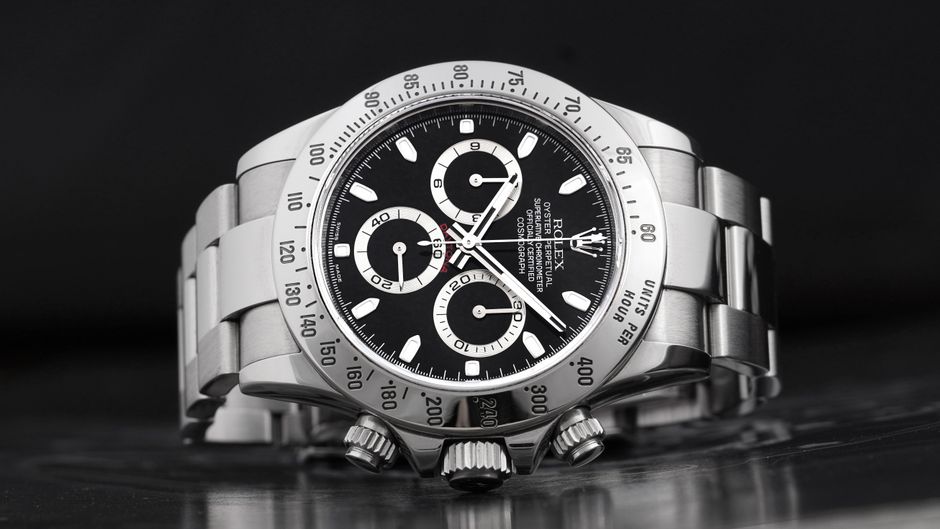
Be cautious when a seller or buyer describes the entire Rolex market as “up” or “down” without specifying the period and evidence. A strong result for one popular sports model does not automatically translate to a vintage dress watch or a less-traded configuration. The rebound timeline is a backdrop for the decision—not a substitute for a watch-specific evaluation.
How to track prices without mistaking asking prices for sales
Useful market research combines multiple kinds of evidence. WatchCharts is a watch-pricing platform that tracks market information and provides estimates and historical views for many references. EveryWatch is a watch-auction platform that can help users examine auction listings and results. Each tool can add context, but no platform should be treated as a definitive offer for your particular watch.
When researching, make the comparison as specific as possible. Match the reference and configuration, and look at condition and completeness. A watch with a polished case, missing bracelet links, or a non-original component may not be comparable to a clean, complete example. Also note the date and location of any result: the market can move, and selling channels differ.
- Separate asking prices from completed transactions. A listing shows what a seller hopes to receive. It does not prove a buyer paid that amount.
- Compare like with like. Reference, dial, metal, bracelet, year, and condition all matter.
- Account for selling costs. Auction fees, platform commissions, shipping, insurance, and dealer margins can change your net proceeds.
- Use more than one source. Compare market tools with recent auction results and offers from reputable buyers.
Coverage in outlets such as the Los Angeles Times can help explain broader economic and luxury-market developments, but general reporting is not a watch-specific quote. Morgan Stanley research may provide context on the wider watch industry and brands, while WatchCharts and EveryWatch offer more directly watch-oriented market data. Check the date, methodology, and scope of any figure before using it to judge your inheritance.
Authentication and credibility in resale
Credibility matters whether you sell privately, consign, or accept a direct offer. A trustworthy buyer should explain how the watch will be examined, what the assessment covers, how the offer was calculated, and whether the offer can change after inspection. Ask about fees and the process for handling your property. Get the terms in writing before handing over the watch.
Rolex Certified Pre-Owned (CPO) is one recognized resale channel: eligible pre-owned watches are sold through participating Rolex retailers under the program’s requirements. A CPO watch comes with program-specific authentication and a Rolex guarantee according to the applicable terms. However, not every Rolex can be sold through CPO, and the program’s retail price is not the same as the amount an owner will receive. A dealer’s sale price needs to cover its own costs and obligations.
Other professional dealers and auction houses may also have established authentication and buyer-protection processes. Ask what protections apply to your transaction rather than assuming that every resale listing offers the same assurances. A reputable process should not depend on pressure, vague claims about “guaranteed” future appreciation, or a demand that you make a decision before you have had time to review the terms.
Should you sell, hold, or wait?
Once you have an evaluation and realistic market range, consider the practical and personal sides of the decision. If you need the money, do not want the responsibility of storing the watch, or have no attachment to it, selling may make sense even if the market could rise further. If it has strong family meaning or you would regret parting with it, keeping it may be the better choice—regardless of short-term market movement.

Selling may make sense if:
- You have a clear use for the proceeds and understand the likely net amount.
- You do not want to maintain, insure, or securely store the watch.
- You have compared at least a few credible routes to market.
- You are comfortable with the sale terms and no longer wish to keep the family item.
Holding may make sense if:
- The watch has important personal or family significance.
- You are not under financial pressure to sell.
- You have a safe place to store it and understand the costs of insurance and maintenance.
- You would rather revisit the decision after learning more about the watch and its history.
“Wait for prices to rise” is not a complete plan. Future prices are uncertain, and holding a watch has costs and risks. Conversely, you do not need to sell just because the market has recovered from its slump. Treat the Rolex as both a personal possession and a marketable asset, and make a decision that fits your circumstances.
A practical checklist before accepting an offer
- Record what you have. Photograph the watch and accessories without attempting to remove the caseback or make repairs.
- Arrange an evaluation. Ask about authentication, condition, originality, and whether the estimate is for insurance, resale, or a direct purchase.
- Check market references. Use WatchCharts and EveryWatch for context, then compare genuinely similar watches and completed results where available.
- Get multiple opinions. Compare a dealer offer with a second reputable buyer or a consignment estimate, including fees and expected timing.
- Calculate your net proceeds. Consider commissions, shipping, insurance, taxes where applicable, and any service or repair deductions.
- Take time to decide. Unless there is a deadline you have chosen, you can pause after receiving an offer.
The bottom line
If you inherited a Rolex, get it evaluated before deciding to sell. A good authentication and appraisal process can replace guesswork with information about the watch’s identity, condition, originality, and realistic resale options. The 2026 recovery—including the example of a 1.7% quarter-over-quarter rise in Q1—offers useful market context, but it cannot predict the value of your specific watch or tell you what it means to your family.
Use credible data, distinguish an appraisal from a purchase offer, and compare the net terms of different selling channels. Then weigh the numbers against the watch’s personal significance and your own needs. An evaluation gives you choices; it does not require you to sell.